



Heating Installation in Lincolnton, NC
Replacing or installing a heating system is a significant decision for Lincolnton homeowners. You want a system that delivers reliable comfort through the colder months, helps lower energy bills, and keeps repair risks at bay for years to come. At Morris Mechanical, we understand this is a big step, which is why we're committed to guiding you through the entire heating installation process for your Lincolnton, NC home. From the initial assessment and precise load calculations to handling permitting, conducting thorough safety checks, explaining warranty options, and discussing financing, we ensure you know exactly what to expect. We even include post-installation testing and a detailed walkthrough with you so you're confident in your new system.
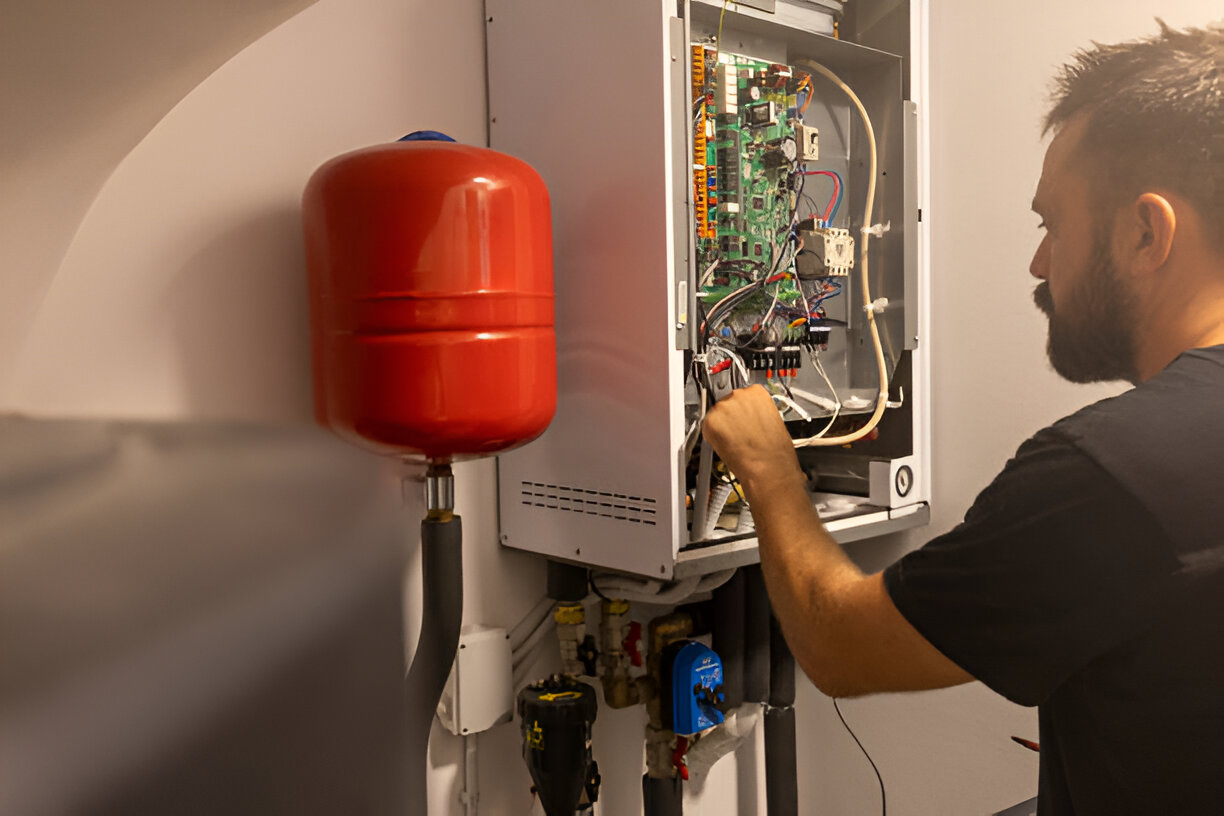
Common heating system types and recommendations for Lincolnton homes
Choosing the right equipment starts with matching system type to your home’s layout, insulation, and how you use each space. In Lincolnton’s climate — generally mild winters but occasional cold snaps — efficient heat pumps and high-efficiency furnaces are both practical choices.
- Furnaces (gas or electric)
- Gas furnaces: high heat output for colder nights; look for AFUE ratings of 95%+ for best efficiency. Modern modulating or two-stage gas furnaces improve comfort and reduce cycling.
- Electric furnaces: simpler installation in all-electric homes; useful where gas lines are not available.
- Heat pumps (air-source and cold-climate models)
- Excellent efficiency for the Carolinas because they move heat rather than generate it. Cold-climate heat pumps maintain capacity at lower outdoor temperatures and can be a solid year-round solution.
- Check HSPF and SEER ratings to compare seasonal heating and cooling efficiency.
- Ductless mini splits and hybrid systems
- Ideal for homes with limited or problematic ductwork, additions, or zoning needs. Hybrid setups (heat pump + gas furnace) can optimize operating cost through winter.
Initial assessment and load calculations
A quality heating installation begins with a professional home assessment, not a guess. Key steps include:
- Conducting a Manual J load calculation to determine accurate heating capacity based on square footage, insulation, window orientation, and air infiltration.
- Inspecting existing ductwork, registers, and insulation. Leaky or undersized ducts reduce system efficiency dramatically.
- Evaluating fuel availability and utility costs to compare lifetime operating expenses of furnaces vs heat pumps.
Accurate sizing prevents short-cycling, high energy bills, and uneven temperatures — common issues in improperly installed systems.
Step-by-step installation process
Here is what a thorough heating installation typically involves:
- Pre-install planning
- Finalize equipment selection (model, capacity, efficiency features).
- Obtain any necessary local permits and schedule inspections.
- Site preparation
- Clear installation area, set up safety and containment measures, and prepare mounting pads or furnace platforms.
- Removal and disposal
- Safely remove existing equipment and properly dispose of refrigerant or old components per regulations.
- Equipment installation
- Set and secure the new furnace or outdoor heat pump unit.
- Install ventilation, flue, or refrigerant piping; connect gas lines and electrical service to code.
- Integrate with existing ductwork or install new duct transitions and registers if required.
- System controls and thermostat
- Install and configure advanced thermostats or zoning controls. Program schedules and demonstrate operation modes.
- Commissioning and balancing
- Verify proper refrigerant charge (heat pumps), combustion settings (gas furnaces), airflow, and static pressure. Adjust as needed for optimum performance.
Each step should be documented and completed following manufacturer guidelines and local code.
Permitting, safety checks, and code compliance
Permitting and safety inspections protect your family and property. Typical safety checks include:
- Confirming proper venting and combustion air for gas furnaces.
- Performing a combustion analysis and flue draft test to verify safe operation and combustion efficiency.
- Testing gas line tightness, electrical connections, and protective devices like fuses or breakers.
- Verifying refrigerant handling and leak checks for heat pumps.
- Ensuring installation meets local building and mechanical codes and that any required inspections are passed.
Lincolnton homeowners should expect installers to secure required permits and coordinate final inspections with the local permitting authority.
Warranty, financing, and incentives
Understanding warranty coverage and financing options helps protect your investment:
- Manufacturer warranty: covers major components for a stated period; extended parts warranties are sometimes available when equipment is registered.
- Labor warranty: ask about the installer’s workmanship warranty for installation-related issues.
- Financing and incentives: financing programs and local utility rebates or federal incentives for energy-efficient heat pumps may be available. The Inflation Reduction Act expanded tax credits for some high-efficiency equipment; homeowners should verify current eligibility and documentation requirements before purchase.
Registration of the equipment and keeping installation records will simplify future warranty claims or incentive applications.
Post-installation testing and homeowner walkthrough
A professional installation concludes with a comprehensive testing and handoff process:
- Full system startup and multiple heat cycles to confirm steady operation under load conditions.
- Measurement of airflow, temperature rise across the heat exchanger (furnaces), refrigerant pressures and superheat/subcooling (heat pumps), and electrical draw.
- Safety device verification including limit switches, high/low-pressure protections, and emergency shutoffs.
- A clear homeowner walkthrough that covers how to operate and maintain the system, thermostat programming, expected performance characteristics, and where manuals and warranty documents are stored.
You should leave with a written summary of work completed, maintenance recommendations, and any service schedules.
Why professional heating installation matters in Lincolnton
Proper installation improves comfort, reduces energy bills, and extends equipment life. In Lincolnton’s mix of older and newer homes, typical issues that professional installs address include undersized ducts, insufficient insulation, and outdated controls. A correct installation reduces cold spots, limits indoor humidity swings, and minimizes safety risks tied to combustion appliances.
Maintenance tips to protect your investment
Regular care keeps a new system efficient and reliable:
- Replace or clean filters monthly to quarterly depending on type and household conditions.
- Schedule annual preventive maintenance: combustion safety checks for furnaces and tune-ups for heat pumps.
- Keep outdoor heat pump units clear of debris and vegetation, especially during fall and winter months.
- Consider duct sealing and attic insulation improvements to maximize system performance.
A properly specified and installed heating system tailored to Lincolnton homes delivers comfort, safety, and energy savings for years.





Financing
Get the comfort you need without the financial stress. We offer financing through Hearth and SouthState, with flexible plans designed to fit your budget.


Our commitment to quality, honesty, and reliable service speaks for itself—just listen to the people we've helped.


These guys were great! They got here on time and worked hard all day! We have a beautiful new energy efficient system! They were very professional and cleaned up before leaving! I would highly recommend them!
Dillon, is the one that helped us. Great people!