



Furnace Installation in Lincolnton, NC
For homes in Lincolnton, NC, a furnace that's properly sized and expertly installed really is the bedrock of comfort and safety all year long. Our winters can be tricky, swinging from mild days to sudden, sharp cold snaps, and let's not forget how that higher humidity in spring and fall can stress out older or undersized systems. If you're noticing your current heater is making too much noise, constantly turning on and off, sending your energy bills through the roof, or even hinting at unsafe operation, it's time to consider a new furnace installation. Morris Mechanical can bring back that reliable warmth, fresh indoor air, and lower your running costs.
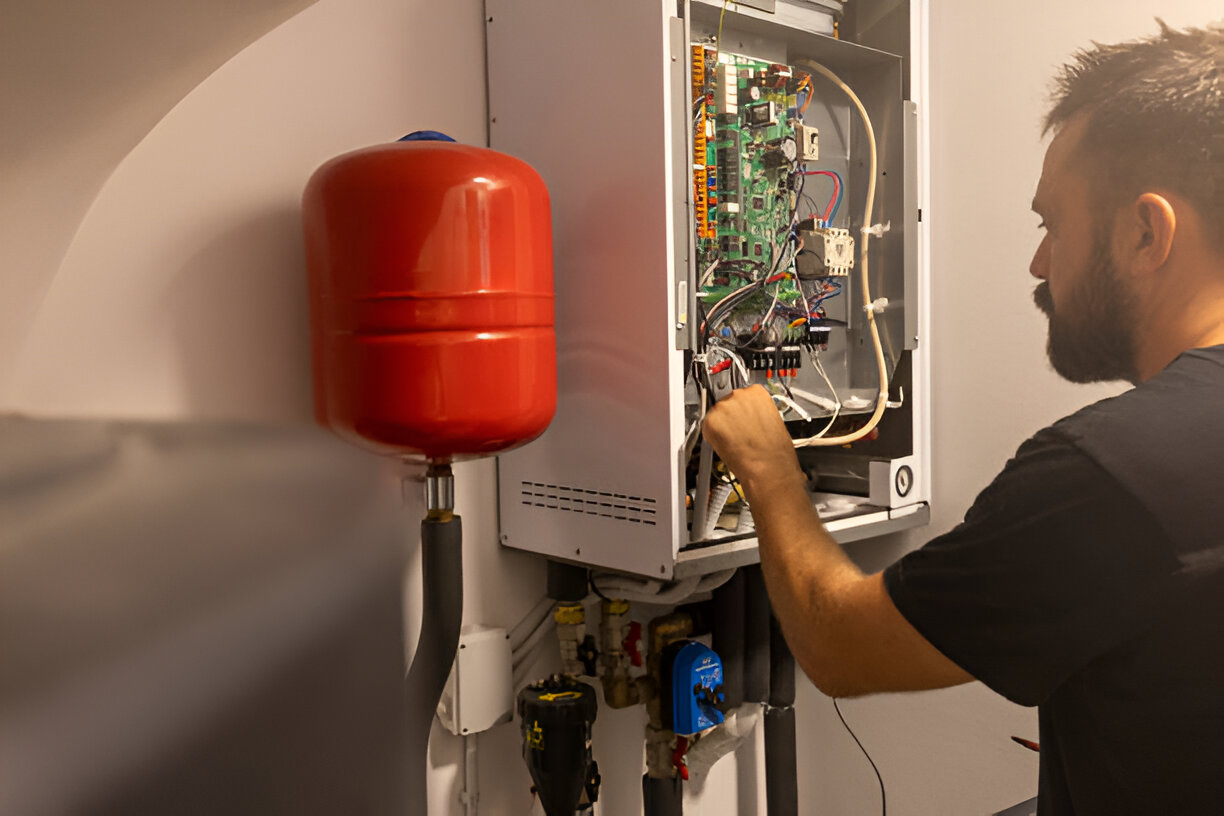
Common furnace installation needs in Lincolnton, NC
- Full furnace replacement for units older than 15 to 20 years or failing heat exchangers.
- Upsizing or downsizing when previous equipment was incorrectly sized for the home.
- High efficiency upgrades to condensing, 90% to 98% AFUE systems for lower fuel costs.
- Conversions from electric or heat pump systems to gas or propane where fuel availability and home layout permit.
- Ductwork redesign or sealing when airflow problems limit performance.
- Zoning or thermostat upgrades for multi level or open plan homes.
Pre-installation assessment and load calculations
A reliable installation starts with a site visit. The technician will:
- Inspect the home layout, insulation levels, window performance, and orientation to estimate heat loss.
- Perform Manual J load calculations to determine the correct furnace capacity in BTU per hour. Oversized or undersized systems both reduce comfort and increase wear.
- Evaluate existing ductwork using Manual D principles and measure static pressure to confirm the blower will deliver adequate airflow.
- Check gas line sizing, meter capacity, and venting routes to confirm the chosen furnace can be installed safely.
- Assess installation location options - basement, closet, or garage - factoring clearances, condensate routing, and combustion air needs common in Lincolnton homes.
Recommended energy efficient furnace options
For Lincolnton homeowners prioritizing efficiency and quiet operation, consider:
- High efficiency condensing gas furnaces (95% AFUE and above) with stainless steel or aluminized heat exchangers for durability.
- Two stage or modulating gas valves to reduce short cycling and improve comfort during mild weather.
- Variable speed ECM blower motors for quieter operation, better humidity control, and improved air filtration performance.
- Low NOx models if local regulations or community preference emphasize reduced emissions.
- Electric or propane models remain options where natural gas is not available.
Selecting a model includes balancing efficiency, expected lifetime, warranty coverage, and how the unit integrates with your existing ductwork and thermostat.
Step-by-step installation process
- Final site verification and permitting check.
- Safe removal and disposal of the existing furnace and associated components per local regulations.
- Modify or install new gas piping, condensate drains, and electrical connections as required by the new equipment.
- Install the new furnace on a proper support pad or platform, secure clearances, and connect to ductwork.
- Update or install venting - options include direct vent, PVC for condensing units, or power venting where applicable.
- Seal and insulate duct connections, and make any duct modifications discovered during the assessment.
- Wiring and commissioning of controls and thermostat, including integration with zoning systems if present.
- Safety and performance testing - combustion analysis, carbon monoxide testing, gas leak checks, and airflow/balancing.
- Walkthrough with the homeowner explaining operation, maintenance points, and warranty registration.
Permitting and code compliance
Furnace installations in Lincolnton require compliance with local building codes and fuel gas regulations. The installer should obtain required permits and coordinate inspections with the city or county. Work must meet state and national safety standards for venting, combustion air, gas piping, and electrical connections. Proper permitting protects your home insurance coverage and ensures the system meets resale standards.
Expected timeline
- Simple furnace replacement in the same footprint: typically one day.
- Installations requiring duct modifications, gas line upgrades, or new venting: commonly one to three days.
- Projects adding zoning, extensive ductwork, or conversions may extend beyond three days depending on scope and inspections.
Warranty and manufacturer information
New furnaces generally include manufacturer warranties for components and heat exchangers. Typical trends:
- Parts warranty ranges from 5 to 10 years.
- Heat exchanger limited warranties can be 10 to 20 years depending on model.
- Labor warranties depend on the installer and may vary by job. Always register the equipment with the manufacturer to activate full coverage and retain installation documentation for future claims.
Financing and incentives
Many homeowners finance furnace upgrades through contractor financing plans, manufacturer financing, or local utility rebates. High efficiency equipment may also qualify for federal or state incentives or tax credits. Discuss available options before purchase to understand payment terms and any rebate application requirements.
Post-installation testing and customer education
After installation the system will be fully tested:
- Confirm consistent temperature delivery across zones and measure system airflow.
- Run combustion and CO tests to verify safe operation.
- Demonstrate thermostat programming, filter access and replacement, and explain condensate maintenance for condensing furnaces.
- Leave clear documentation of model numbers, warranty terms, and recommended service intervals.
Homeowner education reduces service calls and ensures long service life. Important advice includes where to place carbon monoxide detectors, how often to change filters, and signs of potential problems.
Maintenance and longevity
Regular maintenance keeps your new furnace operating at peak efficiency:
- Schedule annual heating tune-ups before the heating season to inspect burners, heat exchanger, controls, and combustion.
- Change disposable filters every 1 to 3 months depending on use and filtration level.
- Keep returns and supply vents clear, and seal visible duct leaks to maintain airflow.
- Consider adding a programmable or smart thermostat and a maintenance plan to preserve efficiency and warranty eligibility.
Why a professional installation matters in Lincolnton
Local climate patterns, older home construction, and varying fuel availability make correct sizing, ductwork assessment, and venting decisions essential in Lincolnton, NC. A properly executed furnace installation improves comfort, lowers energy bills, reduces safety risks, and protects your investment with correct permitting and warranty handling. The result is dependable heat, better indoor air quality, and peace of mind for seasons ahead.





Financing
Get the comfort you need without the financial stress. We offer financing through Hearth and SouthState, with flexible plans designed to fit your budget.


Our commitment to quality, honesty, and reliable service speaks for itself—just listen to the people we've helped.


These guys were great! They got here on time and worked hard all day! We have a beautiful new energy efficient system! They were very professional and cleaned up before leaving! I would highly recommend them!
Dillon, is the one that helped us. Great people!