



Furnace Repair in Huntersville, NC
There's nothing worse than a furnace conking out on a cold Huntersville night. It's not just an inconvenience; it's a real hit to your home's comfort, safety, and energy bill. That's why Morris Mechanical is dedicated to getting your heat back on fast, and more importantly, figuring out *why* it failed so the same problem doesn't pop up again. Given Huntersville's local weather, those occasional winter cold snaps near Lake Norman, and the charm of older homes in some areas, having reliable furnace repair is absolutely key to comfortable living year-round.
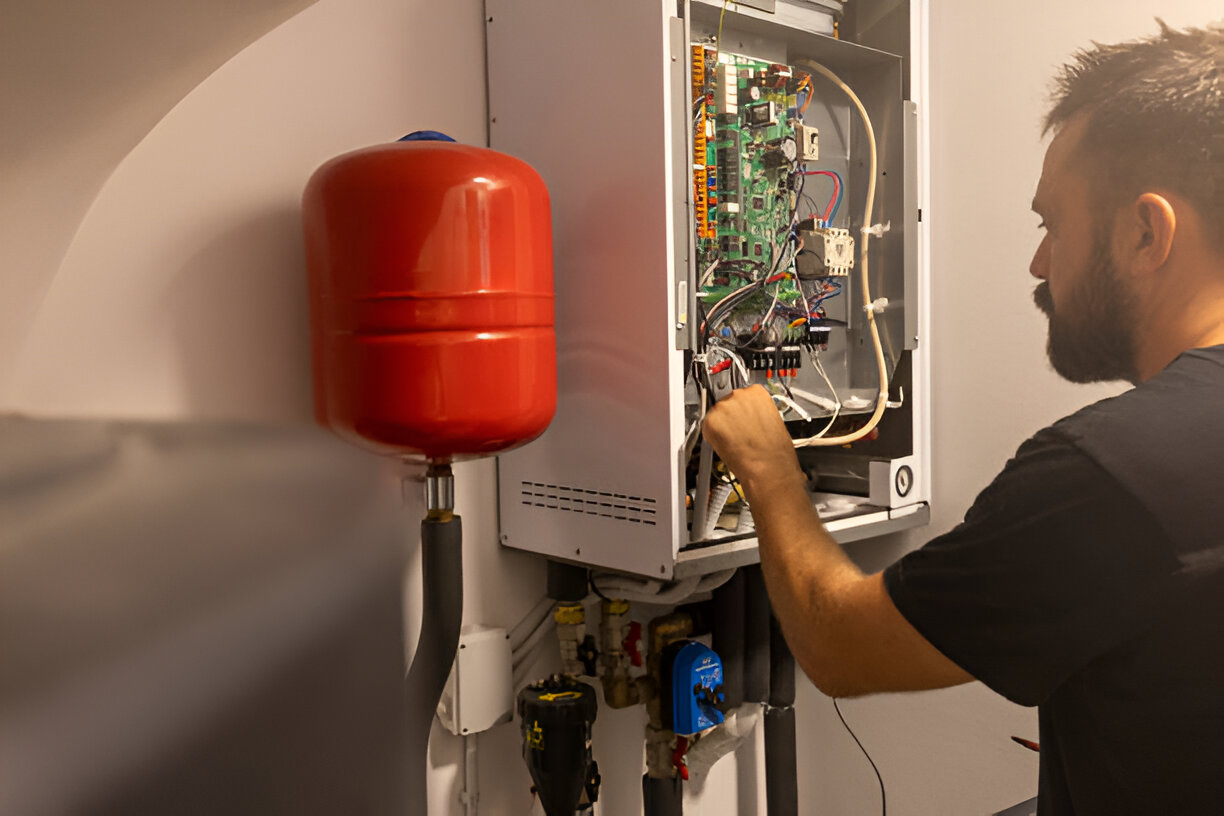
Common furnace failure symptoms in Huntersville homes
Recognizing early symptoms helps prevent emergencies and higher repair costs later. Common signs include:
- No heat or uneven heating — The furnace runs but warm air is weak or some rooms remain cold. Could indicate airflow restrictions, failing burners, or a malfunctioning heat exchanger.
- Short-cycling (frequent on/off cycles) — Short runs that repeat every few minutes reduce efficiency and increase wear on components such as the blower motor or ignition system.
- Unusual noises — Rattling, banging, squealing, or grinding point to loose panels, failing bearings in the blower motor, cracked heat exchanges, or clogged burners.
- Pilot or ignition problems — Standing pilots that won’t stay lit, repeated ignition attempts, or a failed hot-surface igniter are common ignition-related failures.
- Yellow or irregular flame — A healthy gas flame should be steady and blue. Yellow or flickering flames can indicate incomplete combustion or a dirty burner and raise carbon monoxide concerns.
- Higher energy bills — A sudden spike in heating costs often signals reduced furnace efficiency from failing controls, inefficient combustion, or airflow issues.
- Frequent system lockouts — Repeated safety shutdowns point to electrical or safety device issues (limit switches, pressure switches, flame sensors).
Diagnostic and troubleshooting procedures
A thorough diagnostic is the foundation of an accurate furnace repair. Typical diagnostic steps include:
- Safety check — Verify gas supply, electrical connections, and carbon monoxide detectors. Secure the area before further testing.
- Visual inspection — Examine burners, heat exchanger, venting, and wiring for obvious signs of damage, rust, cracks, or blockage.
- Thermostat and control verification — Confirm proper thermostat operation and control board function, including error code retrieval when available.
- Ignition and combustion testing — Inspect standing pilot or electronic ignition, test flame characteristics, and measure combustion where necessary to identify inefficient burners or gas pressure issues.
- Airflow assessment — Check filters, ductwork, return grilles, and blower motor performance. Restricted airflow can mimic or cause many heating problems.
- Safety device testing — Test limit switches, pressure switches, flame sensors, and rollout switches to ensure reliable operation.
- System startup analysis — Observe a full run cycle to record timing, sequence, and how the system responds under normal operating conditions.
Diagnostics are documented in plain language so you understand both the immediate fix and any underlying issues that could require attention.
Typical repair solutions explained
Repairs target the components most commonly responsible for failures. Typical solutions include:
- Control board and sensor repairs — Replacing or reprogramming faulty control boards, thermostats, or sensors restores correct sequencing and prevents erratic operation.
- Burner cleaning and adjustment — Cleaning burners and adjusting gas pressure improves combustion efficiency and corrects yellow flame issues.
- Ignition system service — Repair or replacement of pilot assemblies, hot surface igniters, or ignition control modules resolves hard-start and no-start conditions.
- Blower motor and belt service — Replacing worn bearings, belts, or the blower motor improves airflow and eliminates squeals or grinding sounds.
- Heat exchanger inspection and repair — Cracked or corroded heat exchangers are a safety concern. Minor cracks may be repairable, but often replacement is required when integrity is compromised.
- Gas valve and regulator repairs — Faulty gas valves or regulators that cause low or inconsistent gas flow are repaired or replaced to ensure reliable combustion.
- Venting and combustion air corrections — Clearing blockages, sealing drafts, or correcting flue issues restores safe and efficient venting.
Each repair includes testing on restart so the system runs properly under load.
Emergency response and availability
Huntersville’s temperature dips and holiday schedules can make heating failures urgent. Local technicians prioritize systems that present safety risks (carbon monoxide, gas leaks) and aim to provide rapid turnaround for no-heat emergencies. Emergency availability typically includes after-hours and weekend scheduling during winter peaks, with technicians equipped to perform on-site diagnostics, temporary measures when needed, and complete repairs when possible.
Transparent estimates and warranty information
A clear estimate and warranty help you make an informed decision. Standard best practices include:
- Providing a written repair estimate that outlines parts, labor scope, and any recommended follow-up work before repairs begin.
- Explaining whether replaced parts are OEM or aftermarket and how that choice affects durability and warranty coverage.
- Offering parts and labor warranties that commonly range from a short workmanship guarantee (for example, several weeks to a few months) to manufacturer-backed parts coverage that can extend multiple years depending on the component and brand.
Always request a written description of warranty coverage so you know what is and is not included.
Tips to prevent future furnace problems
Routine, simple steps extend furnace life and reduce emergency repairs:
- Change filters regularly — Replace or clean filters every 1–3 months during heavy use to maintain airflow.
- Schedule annual tune-ups — A pre-winter inspection and cleaning prevents most seasonal surprises and keeps combustion components efficient.
- Keep vents and returns clear — Furniture, drapes, and storage can block airflow and strain the blower.
- Monitor carbon monoxide detectors — Test and replace batteries regularly; a properly functioning detector is critical when operating gas furnaces.
- Note early warning signs — Address odd noises, cycling changes, or smells promptly to avoid major failures during cold spells.
Why timely furnace repair matters in Huntersville
Prompt furnace repair preserves comfort, reduces energy costs, and protects indoor air quality for Huntersville homes. Fixing problems quickly prevents secondary damage (like a failed blower motor after months of short-cycling), reduces the risk of unsafe combustion, and keeps systems running efficiently through local cold snaps. Acting on early symptoms is the most cost-effective way to maintain a safe, reliable heating system for the season.





Financing
Get the comfort you need without the financial stress. We offer financing through SouthState, Enbridge, or Hearth with flexible plans designed to fit your budget.


Our commitment to quality, honesty, and reliable service speaks for itself—just listen to the people we've helped.


These guys were great! They got here on time and worked hard all day! We have a beautiful new energy efficient system! They were very professional and cleaned up before leaving! I would highly recommend them!
Dillon, is the one that helped us. Great people!