



Furnace Installation in Lowesville, NC
Installing a new furnace is truly one of the smartest investments you can make for your home's comfort and your family's safety. Here in Lowesville, NC, our winters often bring chilly nights and those sudden cold snaps. That's why a furnace that's correctly chosen and expertly installed by a team like Morris Mechanical isn't just about warmth; it's about making sure your living spaces stay cozy, drafts are kept at bay, and your indoor air quality is protected.
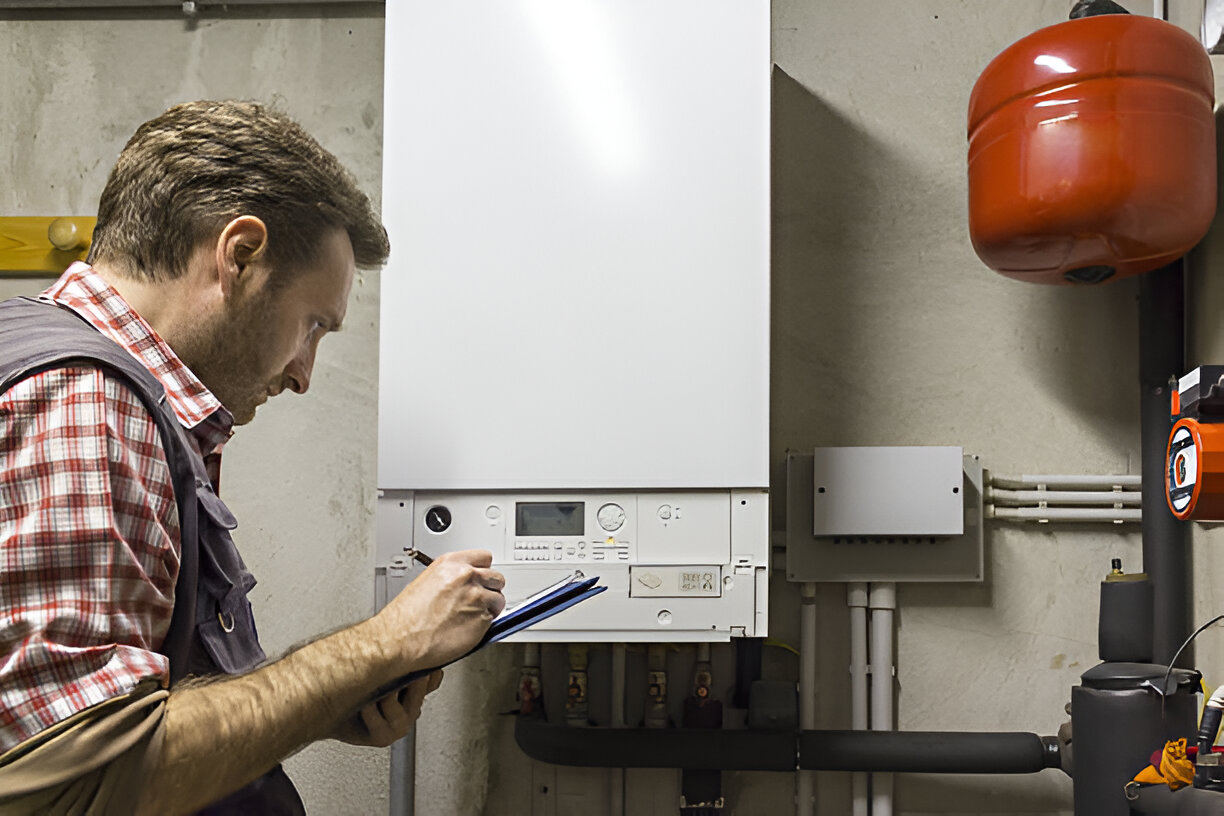
Why a professional furnace installation matters in Lowesville, NC
- Comfort and consistency: Proper sizing and ductwork connections prevent uneven heating common in older or rural Lowesville homes.
- Efficiency and cost control: Correctly installed high-efficiency furnaces deliver better AFUE ratings and lower energy bills.
- Safety: Combustion safety, venting, and carbon monoxide clearance are critical—especially where propane or oil may be used.
- Longevity: Proper installation and warranty registration extend equipment life and reduce unexpected repairs.
Common furnace replacement indicators in Lowesville, NC
- Furnace age 15 years or older and frequent breakdowns
- Rising heating bills despite regular use
- Uneven room temperatures or persistent drafts
- Noisy operation, moisture or soot around vents
- Failed safety switches or difficulty maintaining setpoint temperature
- If you notice these signs in a Lowesville home, a full furnace installation or replacement is often the most cost-effective long-term solution.
Types of furnace installations we commonly perform
- New furnace installation for homes without central heating systems
- Direct replacement of existing gas, propane, or oil furnaces
- Fuel conversions (for properties changing from oil to propane or natural gas where service is available)
- High-efficiency upgrades (condensing furnaces with AFUE 95%+) for lower lifetime operating costs
- Integration with ductwork improvements or zoning systems for older Lowesville houses with inconsistent duct design
Step 1 – Initial consultation and home assessment
A thorough in-home assessment is the starting point. During this visit:
- Inspect the existing heating system, duct layout, and access points (attic, crawlspace, basement).
- Note fuel availability—many Lowesville properties rely on propane or electric; natural gas may not be available everywhere.
- Discuss comfort goals, budget, and whether you want humidity control or zoning.
- Identify any duct repairs, insulation gaps, or ventilation issues that will affect system performance.
Step 2 – Load calculations and proper unit sizing
Accurate sizing is essential. Technicians perform a Manual J load calculation that considers:
- Home square footage, insulation levels, window orientation, and air infiltration.
- Local climate factors in Lowesville—seasonal temperature swings and humidity influence heating loads.
- Desired indoor temperature and minimal acceptable setback.
- Oversized or undersized furnaces create short-cycling, noise, and reduced efficiency. Proper sizing delivers consistent comfort and better equipment life.
Step 3 – Comparison of energy-efficient models and fuel types
During model selection, you’ll compare:
- AFUE ratings (efficiency). Higher AFUE reduces fuel consumption.
- Type of fuel: natural gas (where available), propane, oil, or high-efficiency electric options. In Lowesville, propane is a common choice where gas mains are not present.
- Two-stage or modulating burners for quieter operation and tighter temperature control.
- Compatibility with smart thermostats and zoning for targeted comfort.
- Discuss warranty terms and long-term operating costs for each option before selecting the unit.
Step 4 – Step-by-step installation procedures
A typical installation sequence includes:
- Schedule and confirm necessary permits with local jurisdictions.
- Remove the old furnace and safely dispose of it according to local codes.
- Prepare the cabinet pad or mounting and route combustion venting per specifications.
- Install the new furnace, secure gas or fuel connections, and connect electrical wiring to the specified breakers.
- Tie into existing ductwork or replace/modify ducts for proper airflow and static pressure.
- Install or update thermostat wiring and controls; integrate zoning dampers if applicable.
- Complete vent termination, condensate routing (for condensing units), and combustion air provisions.
- Throughout the work, technicians follow manufacturer installation manuals and local building codes to ensure safe and reliable operation.
Permits, code compliance, warranty, and manufacturer registration
- Most furnace installations require local permits and final inspections. Proper permits ensure installations meet safety codes.
- Installers must follow fuel-specific venting and combustion air rules, electrical codes, and mechanical code requirements.
- Register the new equipment with the manufacturer to activate warranty coverage and understand available parts and labor protections. Keep records of permits, installation documents, and serial numbers for future service.
Expected timeline and pricing factors
- Typical installations for standard replacements or upgrades generally take 1 to 2 days, depending on duct modifications, ventilation changes, or fuel conversions.
- Price is influenced by furnace type and efficiency, fuel source, complexity of ductwork repairs, need for new venting or electrical work, and local permit fees.
- During the consultation you should receive a breakdown of the work scope and timeline reflecting Lowesville-specific site conditions.
Post-installation testing and user orientation
After installation, a complete commissioning process includes:
- Checking airflow and static pressure to confirm proper distribution.
- Performing combustion analysis and CO testing to verify safe venting and burner performance.
- Confirming thermostat calibration and demonstrating programming for efficiency and comfort.
- Explaining maintenance items: filter type and replacement frequency, condensate drain care, and signs to watch for.
- Providing warranty paperwork and manufacturer registration details.
Local considerations for Lowesville, NC homes
- Many Lowesville homes are older or rural; expect to address duct leaks, attic insulation, and drafty windows as part of optimizing furnace performance.
- Propane or electric options may be more practical than natural gas in areas without municipal gas service. Fuel availability and on-site storage should be considered in model selection.
- Seasonal humidity in North Carolina can affect perceived warmth; pairing a properly sized furnace with humidity control improves comfort and efficiency.
Long-term benefits and maintenance advice
A professionally installed furnace delivers:
- Better energy efficiency and lower operating costs.
- More consistent indoor temperatures, quieter operation, and improved indoor air quality.
- Reduced repair frequency and extended equipment life when combined with routine maintenance.
- Recommended maintenance: biannual checks (pre-season heating tune-up), regular filter replacement, annual combustion safety inspection, and duct inspections every few years. Keeping a maintenance record preserves warranty coverage and helps identify issues early.
A well-planned furnace installation tailored to your Lowesville, NC home minimizes surprises, maximizes comfort, and ensures safety for years to come. Proper sizing, code-compliant installation, and thorough post-installation testing are the foundations of a reliable heating system.





Financing
Get the comfort you need without the financial stress. We offer financing through Hearth and SouthState, with flexible plans designed to fit your budget.


Our commitment to quality, honesty, and reliable service speaks for itself—just listen to the people we've helped.


These guys were great! They got here on time and worked hard all day! We have a beautiful new energy efficient system! They were very professional and cleaned up before leaving! I would highly recommend them!
Dillon, is the one that helped us. Great people!